Cavalier King Charles Spaniel Peeking: A Designer's Review
As a designer who spends more time staring at stitch maps than most people spend looking at their phones, I approach every new machine embroidery design with a healthy dose of skepticism. We have all been there: you buy a cute graphic online, load it onto your machine, and halfway through the run, you realize the density is too high for a baby onesie or the details are so fine they will vanish into the fabric texture. That is why I took a close look at the Cavalier King Charles Spaniel Peeking design before committing it to a client project. This isn't just about whether the image is adorable—though let's be honest, it is—it is about whether this digital embroidery file can hold up under the needle and deliver a professional finished product.
First Impressions and Visual Personality
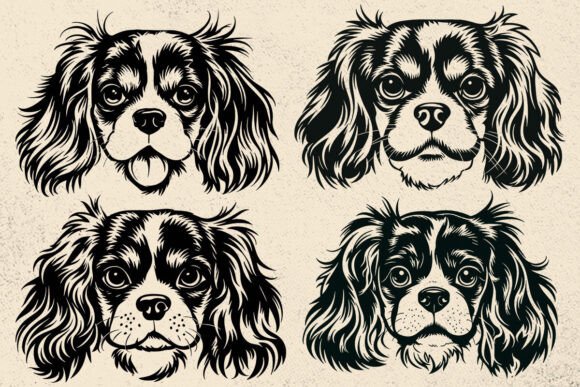
When I first pulled up the preview for Cavalier King Charles Spaniel Peeking, the immediate vibe was playful and inviting. There is something inherently charming about the "peeking" composition; it breaks the fourth wall, so to speak, making the viewer feel like the dog is interacting with them from behind a pocket, a hem, or a border. For those of us in the crafts and graphics space, we know that mood matters. A stiff, static portrait feels different than a dynamic, curious pose.
The layout of this design suggests versatility. It does not demand a massive canvas. Instead, it feels tailored for those tricky spots on garments where a large central motif would feel overwhelming. The visual personality leans towards whimsical and heartwarming, which makes it an instant candidate for personalized gifts. However, as a reviewer, I had to look past the cuteness factor. How do the lines translate to thread? Does the concept rely on vector sharpness that might get lost in satin stitch execution? From what I could gather, the shapes are clean, avoiding overly complex gradients that often turn into muddy blobs when stitched out.
Real-World Application: The Tote Bag Test
To truly evaluate this design, I imagined a specific real-life scenario that many Etsy sellers and small shop product creators face daily: the custom boutique tote bag. Imagine a canvas tote with a reinforced bottom, perhaps in a natural oatmeal color or a soft sage green. Placing the Cavalier King Charles Spaniel Peeking design along the top rim creates the illusion that the spaniel is peeking out of the bag itself.
In this context, the design shines. It transforms a standard handmade product into a conversation starter. For a craft business owner, this kind of clever placement adds perceived value. Customers are not just buying a bag; they are buying a moment of joy. If I were stitching this for a client, I would likely pair it with a fill stitch for the dog's ears to give them weight and texture, contrasting with a lighter running stitch for the outline to keep it feeling airy. The result would be a tote bag design that feels bespoke rather than mass-produced.
Beyond tote bags, this design is practically begging to be used on sweatshirt embroidery. Picture a cozy crewneck where the Cavalier peeks out from the kangaroo pocket. This is a trending style in custom apparel, and having a breed-specific design like this allows niche marketing to "Cavalier moms" or dog lovers in general. The scale seems appropriate for this application, provided the hoop size accommodates the width without crowding the pocket seams.
Technical Considerations and Fabric Challenges
While the concept is solid, practical execution requires attention to detail. One area where I would exercise caution is stitch density. If the original embroidery file is dense, it could cause puckering on stretchy fabrics like jersey knits used for baby embroidery projects. Before stitching on a final garment, it is crucial to test the design on scrap fabric that matches your final material. If you are working with a thin fabric, a heavy density might show through to the back or make the garment uncomfortable to wear.
Textured fabrics present another challenge. If you plan to embroider this on a waffle weave kitchen towel or a thick terrycloth robe, the fine details of the dog's expression might get lost. In these cases, simplifying the design or increasing the contrast in thread colors can help maintain clarity. Additionally, curved surfaces like caps require careful hooping. If you attempt this on a baseball cap, ensure the "peeking" element aligns perfectly with the brim or the seam; otherwise, the illusion breaks, and the design looks awkward.
For dark fabrics, you must consider underlay and coverage. A light-colored Cavalier on a navy blue sweatshirt needs sufficient saturation to prevent the background from showing through. This is where checking the embroidery project settings in your software is vital. You may need to adjust the pull compensation or add extra underlay stitches if the digitizing feels light.
Commercial Viability and Brand Consistency
For commercial embroidery professionals and digital product sellers, consistency is key. If you are building a brand around pet-themed goods, the Cavalier King Charles Spaniel Peeking design offers a strong anchor. It helps establish a recognizable aesthetic. When customers see that specific playful style across your printable mockup listings and actual embroidered patch products, it builds trust.
However, before listing items for sale, you must verify the licensing terms associated with the files. The product description mentions receiving SVG, EPS, PNG, and DXF files, which indicates a robust package for both cutting machines and embroidery converters. Yet, knowing whether these design assets allow for unlimited commercial use is non-negotiable. Always confirm if there are restrictions on the number of physical items you can sell or if attribution is required. Nothing damages an Etsy seller's reputation faster than a copyright dispute.
Final Verdict and Designer Notes
After weighing the aesthetic appeal against the technical requirements, the Cavalier King Charles Spaniel Peeking design stands out as a versatile asset for the right projects. It excels in scenarios where charm and interaction are the goals, such as holiday embroidery gifts, nursery decor, or boutique merchandise. It is less suited for high-contrast, industrial applications where durability trumps delicacy.
If you decide to move forward with this design for your next embroidery project, here are my practical recommendations:
- Test First: Always stitch a sample on scrap fabric identical to your final material to check for puckering or registration issues.
- Check Contrast: Ensure your thread colors pop against the fabric. A monochromatic look can be chic, but ensure the details remain visible.
- Stabilizer Matters: Use the appropriate stabilizer for your fabric type. Cut-away is usually safer for stretchy garments to prevent distortion over time.
- Review Details: Inspect small corners and fine lines. If they look jagged in the preview, they will likely stitch out poorly.
- Mockup Verification: Create black and white mockups to see how the design holds up without the distraction of color.
- Licensing Check: Double-check the license agreement regarding commercial embroidery rights before selling finished goods.
In the world of handmade creation, the difference between a good product and a great one often lies in these small preparations. The Cavalier King Charles Spaniel Peeking design has the potential to be a star performer in your catalog, provided you treat it with the technical respect it deserves. By understanding its limitations and leveraging its strengths, you can create personalized gifts and products that customers will cherish for years.